What Is a Decentralized Exchange? DEX Meaning, Benefits, Risks and How It Works
Introduction
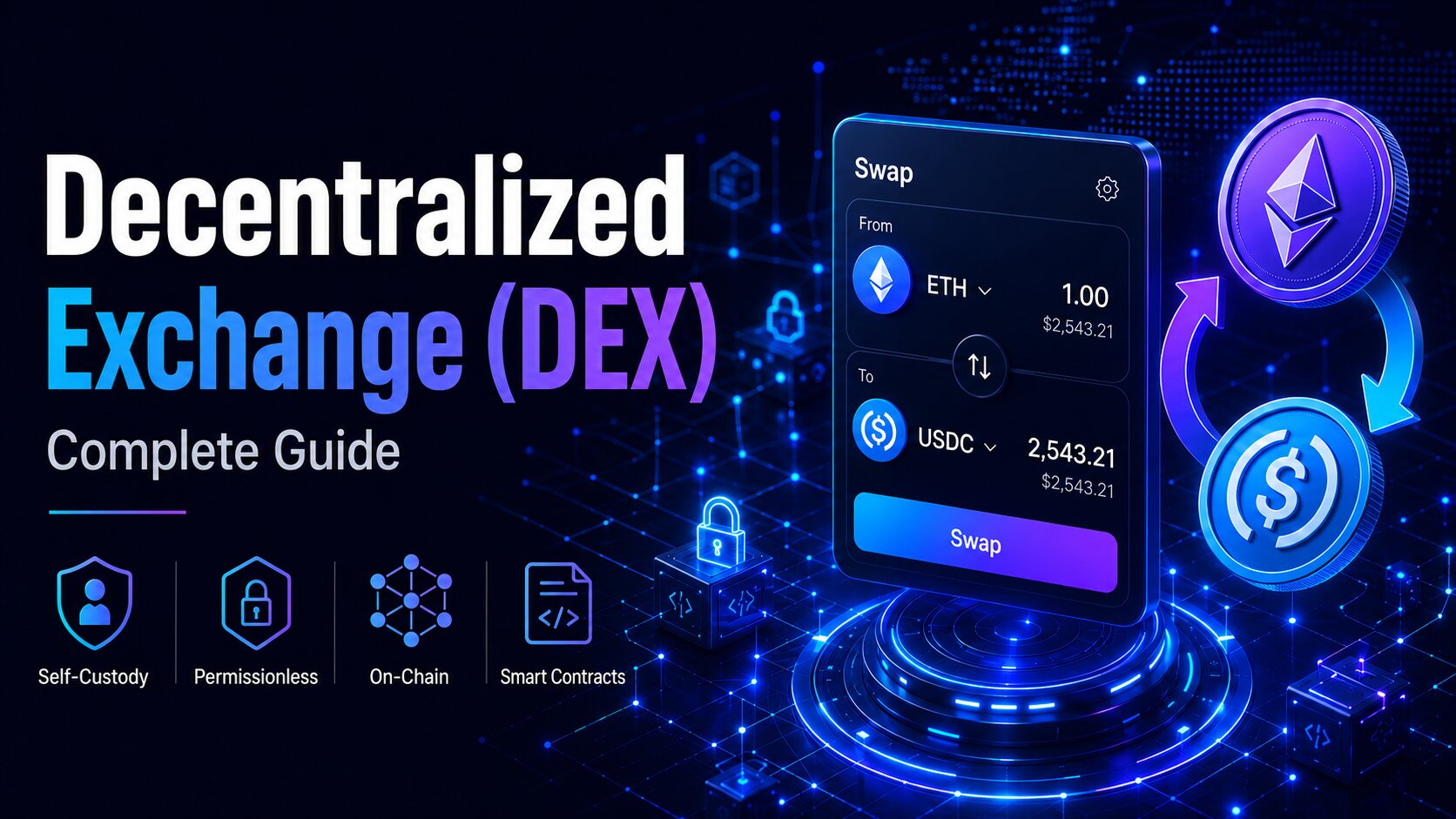
A decentralized exchange, or DEX, is a crypto trading platform that allows users to trade directly from their own wallets through blockchain-based smart contracts.
Unlike a centralized exchange, a DEX usually does not hold customer funds or manage balances inside a company-controlled account. Instead, users connect a crypto wallet, approve transactions, and keep control of their private keys.
Decentralized exchanges are important in crypto because they support self-custody, open access, and on-chain trading. They are often used by people who want more control over their assets or access to tokens that may not be listed on major centralized exchanges.
However, DEXs are not risk-free. Smart contract bugs, fake tokens, low liquidity, gas fees, slippage, and wallet mistakes can all create serious problems for users.
What Is a Decentralized Exchange?
A decentralized exchange is a crypto trading platform that runs through blockchain-based smart contracts instead of a central company. On a centralized exchange, users normally create an account, deposit funds, and trade on the platform. On a DEX, users usually trade directly from their own wallets.
This means a decentralized exchange removes the traditional middleman from the trading process. The protocol provides the trading infrastructure, while the blockchain records and settles the transaction.
In simple terms, a DEX lets users swap crypto assets without handing full custody of their funds to an exchange.
How Does a Decentralized Exchange Work?
Using a decentralized exchange is different from using a centralized crypto exchange.
First, the user connects a compatible crypto wallet. Then they choose the token they want to trade and the token they want to receive. After reviewing the trade details, the user approves the transaction from their wallet.
The trade is then processed by smart contracts. Once the transaction is confirmed on the blockchain, the new asset appears in the user’s wallet.
Many DEXs use liquidity pools instead of a traditional order book. A liquidity pool is a group of tokens supplied by users, known as liquidity providers. These pools allow other users to swap assets without needing a direct buyer or seller at that moment.
Because DEX trades happen on-chain, users usually pay network fees. Transaction speed and cost can depend on the blockchain being used.
Key Features of Decentralized Exchanges
Most decentralized exchanges share several important features.
The first feature is wallet-based trading. Users trade from their own wallets instead of depositing funds into an exchange account.
The second feature is smart contract execution. Trades are processed automatically by blockchain-based code.
The third feature is token swapping. Users can exchange one crypto asset for another directly through the DEX interface.
Many DEXs also use liquidity pools. These pools help support trading activity by allowing users to swap tokens against pooled liquidity.
Another important feature is on-chain transparency. Since many actions happen on the blockchain, users can often check transactions, contract activity, and liquidity through blockchain explorers.
Advantages of Decentralized Exchanges
One of the biggest advantages of a decentralized exchange is self-custody.
Users usually keep control of their private keys and funds. This reduces dependence on a centralized company to hold customer assets.
Another advantage is open access. In many cases, users only need a compatible wallet and supported blockchain assets to use a DEX.
DEXs can also provide wider token access. Many new, niche, or smaller tokens appear on decentralized exchanges before they are listed on centralized exchanges.
On-chain transparency is another benefit. Users can often verify transactions and liquidity activity publicly on the blockchain.
For users who value direct ownership and blockchain-based trading, a DEX can be a useful tool.
Risks of Using a Decentralized Exchange
DEXs also come with important risks.
The biggest technical risk is smart contract risk. If a smart contract has a bug, exploit, or hidden vulnerability, users may lose funds or face failed transactions.
User responsibility is also much higher. If users lose their seed phrase, approve a malicious contract, or send funds to the wrong address, the mistake may be impossible to reverse.
Liquidity can also be a problem. Some token pairs have low trading depth, which can lead to high slippage and weaker price execution.
Network fees are another risk. On busy blockchains, gas fees can become expensive and make small trades inefficient.
Users should also be careful with scam tokens and fake projects. A token being available on a DEX does not mean it is legitimate, safe, or valuable.
DEX vs CEX: What Is the Difference?
The main difference between a DEX and a CEX is control.
A DEX is usually non-custodial. Users connect their own wallets and keep control of their private keys.
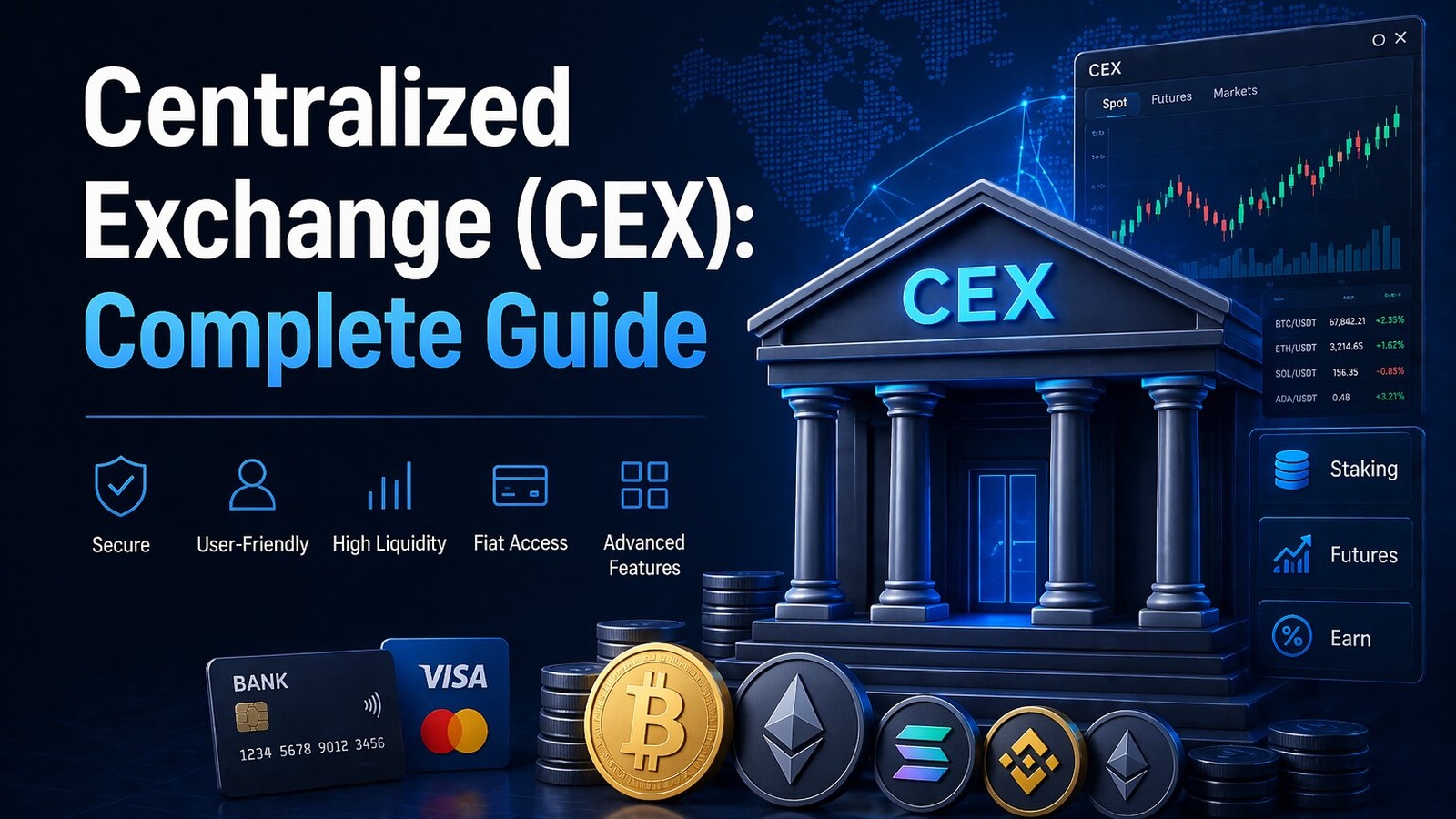
A centralized exchange, or CEX, is operated by a company. It manages user accounts, holds customer balances, and usually provides a smoother experience for beginners.
A CEX may offer easier onboarding, fiat deposits, customer support, account recovery, and simpler trading tools. A DEX offers more direct control, but it requires stronger wallet security and more technical understanding.
In simple terms, a DEX focuses on self-custody and independence. A CEX focuses more on convenience and accessibility.
Common DEX Terms to Know
A smart contract is blockchain-based code that automatically executes transactions.
A liquidity pool is a pool of tokens supplied by users to support trading.
A liquidity provider, or LP, is a user who adds tokens to a liquidity pool and may earn a share of trading fees.
Slippage is the difference between the expected trade price and the final executed price.
A gas fee is a blockchain network fee paid to process a transaction.
A token swap is the direct exchange of one crypto asset for another.
Impermanent loss is a risk that liquidity providers may face when token prices change compared with simply holding the assets.
Understanding these terms can help users use decentralized exchanges more carefully.
How to Evaluate a Decentralized Exchange
Before using a decentralized exchange, users should look at several factors.
Security is the first point. Users should check whether the platform has audited smart contracts and whether it has a history of major exploits.
Liquidity is also important. Higher liquidity usually means better trade execution and lower slippage.
Users should also check supported networks and tokens. A DEX may support one blockchain but not another.
Costs matter too. Users should consider platform fees, gas fees, and possible slippage before trading.
The user experience is another factor. Some DEXs are simple and beginner-friendly, while others require more technical knowledge.
Reputation also matters. Before connecting a wallet, users should check whether the platform is widely used, trusted, and linked from official sources.
Security Tips for Using a DEX
Users should only use official DEX websites and trusted wallets.
Fake links and phishing websites are common risks in crypto. Before connecting a wallet, users should check the URL carefully.
It is also important to verify token contract addresses. Fake tokens can copy the names and symbols of real projects.
Users should review wallet permissions before approving any transaction. If a permission is no longer needed, it may be safer to revoke it.
Recovery phrases should be stored offline and never shared with anyone. A DEX gives users more control, but it also gives users more responsibility.
Who Should Use a Decentralized Exchange?
A decentralized exchange may be useful for users who understand crypto wallets, blockchain networks, gas fees, and transaction approvals.
It may also suit users who value self-custody and direct control over their assets.
However, beginners should be careful. A DEX can be less forgiving than a centralized platform. Mistakes with wallet permissions, networks, token contracts, or seed phrases can be difficult or impossible to fix.
New users should start with small amounts, learn how wallet approvals work, and avoid trading unknown tokens without proper research.
Conclusion
Decentralized exchanges are an important part of the crypto ecosystem. They allow users to trade directly from their own wallets without relying on a central company to hold their funds.
DEXs offer self-custody, open access, token variety, and on-chain transparency. But they also require more personal responsibility.
Smart contract risk, wallet security, slippage, liquidity issues, gas fees, and scam tokens are all important risks to understand.
A DEX can be a powerful tool for users who want more control over their crypto assets. But it should be used carefully, with strong security habits and a clear understanding of the risks.
This article is for informational and educational purposes only. It is not financial, investment, legal, or tax advice.
For more details, you can check the related resources below: https://brokerate.io/library/what-is-a-dex-decentralized-exchange-guide-benefits-risks