Crypto Exchange Staking Guide for Beginners in 2026
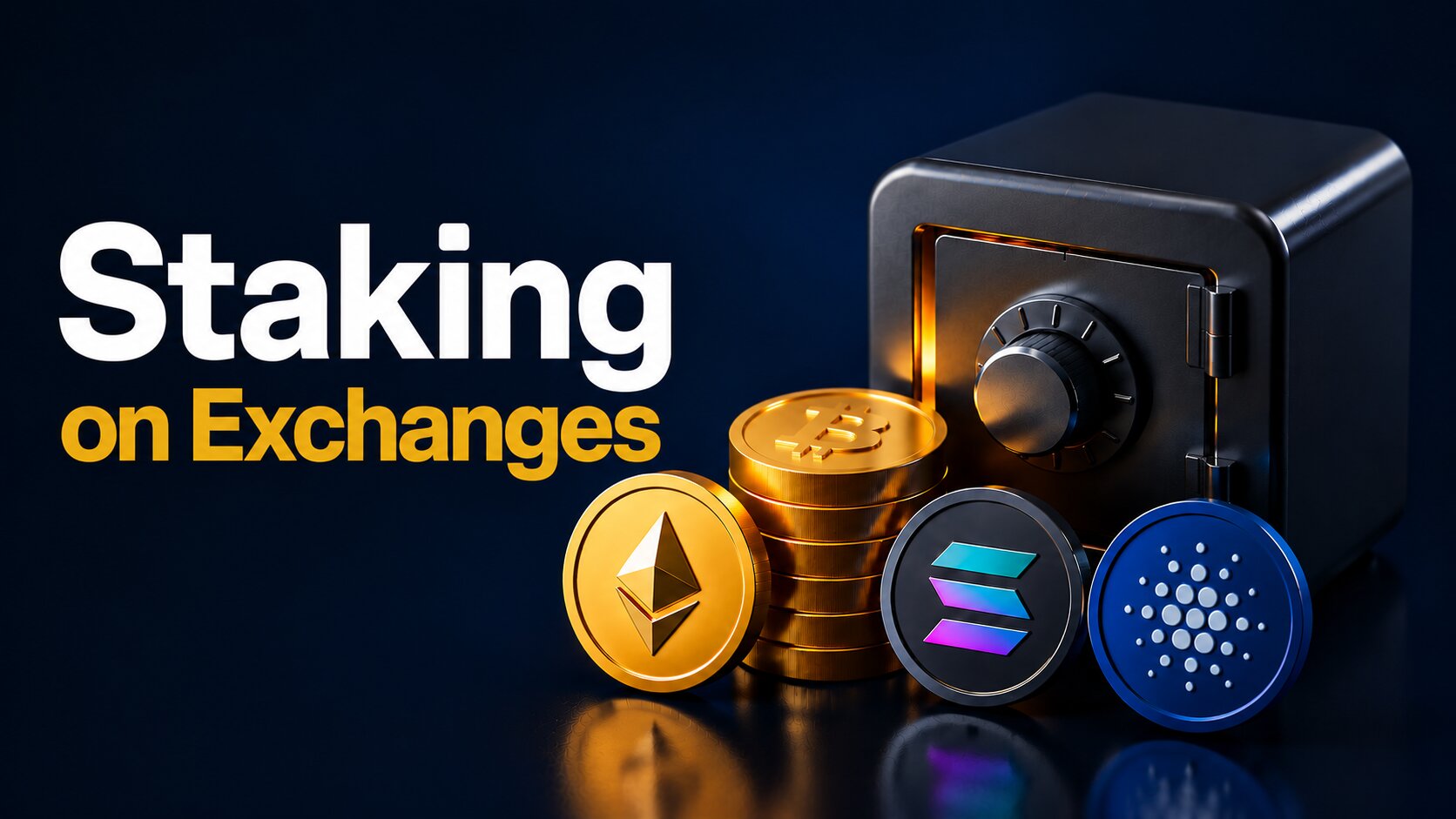
Crypto exchange staking can help beginners earn rewards without managing validators, but APY, fees, liquidity, taxes, and exchange risks must be understood before staking.
Articles
Smart takes on trading platforms, market structure, and risk. Search, filter, and discover what matters to you.
Crypto exchange staking can help beginners earn rewards without managing validators, but APY, fees, liquidity, taxes, and exchange risks must be understood before staking.
If you’re thinking about using Interactive Brokers for your trading journey, you might be curious about interactive exchanges and how they work. Don’t worry, you’re definitely not alone! Many traders are eager to understand how Interactive Brokers connects them to different exchanges and how everything fits together. Let’s explore it! Understanding this connection can help you make better decisions about where and how your trades are executed. It also gives you a clearer view of the global market access, tools, and opportunities that Interactive Brokers can offer.
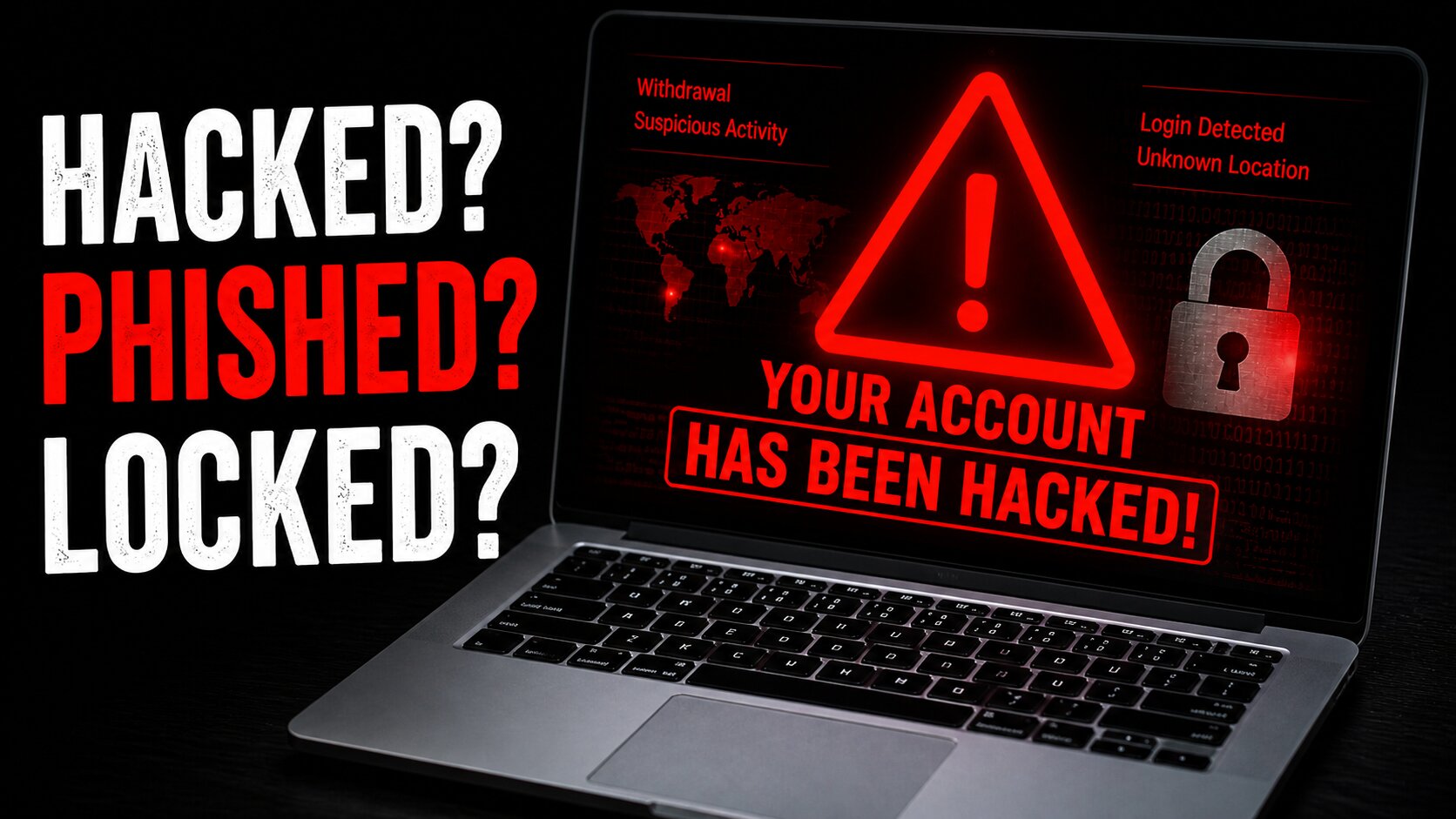
A hacked, phished, or locked crypto exchange account can be stressful, but fast action can improve recovery chances. This guide explains the main causes, warning signs, recovery steps, evidence collection, and prevention methods to help users secure their accounts and reduce future risk.
Choosing the right crypto exchange is important because each platform offers different tools, fees, security, and features.
This guide explains the main warning signs of a scam exchange and how to verify an exchange before depositing money.
Keeping crypto on an exchange is convenient, but it is not risk-free. Exchanges make it easy to buy, sell, trade, convert, and withdraw assets like Bitcoin, Ethereum, stablecoins, and altcoins. This is why many beginners and active traders keep funds on centralized platforms. However, when crypto is stored on an exchange, the user usually does not control the private keys. The exchange controls access to the funds, which creates counterparty risk.
The real cost of crypto trading is not just the visible exchange fee. Traders may also incur costs from spreads, slippage, withdrawal fees, blockchain gas, funding costs, and hidden charges within simple buy or convert tools. A low-fee exchange is not always the cheapest option. If liquidity is weak or execution is poor, the final cost can be higher than expected.
Crypto withdrawals can fail due to network issues, KYC, limits, banking delays, or security risks. Users can reduce risk by verifying early, testing withdrawals, and avoiding large exchange balances.
Know Your Customer (KYC) is the process crypto exchanges use to verify users’ identities and prevent fraud, money laundering, and illegal activity. Although it may take extra time, KYC helps make crypto platforms safer, more transparent, and compliant with financial regulations.