XM Broker Review 2026
Introduction
XM is a global forex and CFD broker that has operated since 2009. It is operated by Trading Point Group and has become a well-known name in retail forex trading across many regions.
The broker is known for its regulatory coverage, low minimum deposit, MetaTrader support, educational resources, and wide range of trading instruments. XM may be suitable for beginner and intermediate traders who want structured trading conditions and platform stability.
This review explains how XM works, what it offers, and what traders should consider before using it.
Regulation & Safety
XM operates through several regulated entities, depending on the user’s location.
Its regulatory coverage includes:
FCA in the UK
CySEC in Cyprus / EU
ASIC in Australia
DFSA in Dubai
Regulation matters because it affects leverage limits, client fund protection, and complaint procedures.
XM states that client funds are held in segregated accounts, separate from company operating funds.
XM does not accept clients from the United States. Availability may also vary in other regions due to local rules.
Regulation can reduce broker risk, but it does not remove the risks of trading.
Trading Platforms & Tools
XM supports MetaTrader 4 and MetaTrader 5.
Both platforms are available on:
Desktop
WebTrader
iOS and Android mobile devices
XM does not offer cTrader or its own proprietary platform. Instead, it focuses on full MT4 and MT5 support.
These platforms allow traders to use Expert Advisors, custom indicators, multiple order types, and advanced charting tools.
XM also offers VPS access for eligible users, which may help traders who use automated strategies.
Trading Conditions
XM uses a market execution model. This means trades are executed at the best available market price.
During volatile conditions, slippage may occur. Slippage can be positive or negative.
Main trading conditions include:
Minimum trade size is 0.01 lot
Variable spreads
Commission structure depending on account type
Leverage up to 1:30 for retail clients under stricter regulators
Higher leverage under some international entities
XM states that it offers no requotes and no order rejection. However, final execution still depends on market conditions and liquidity.
Account Types You May See During Registration
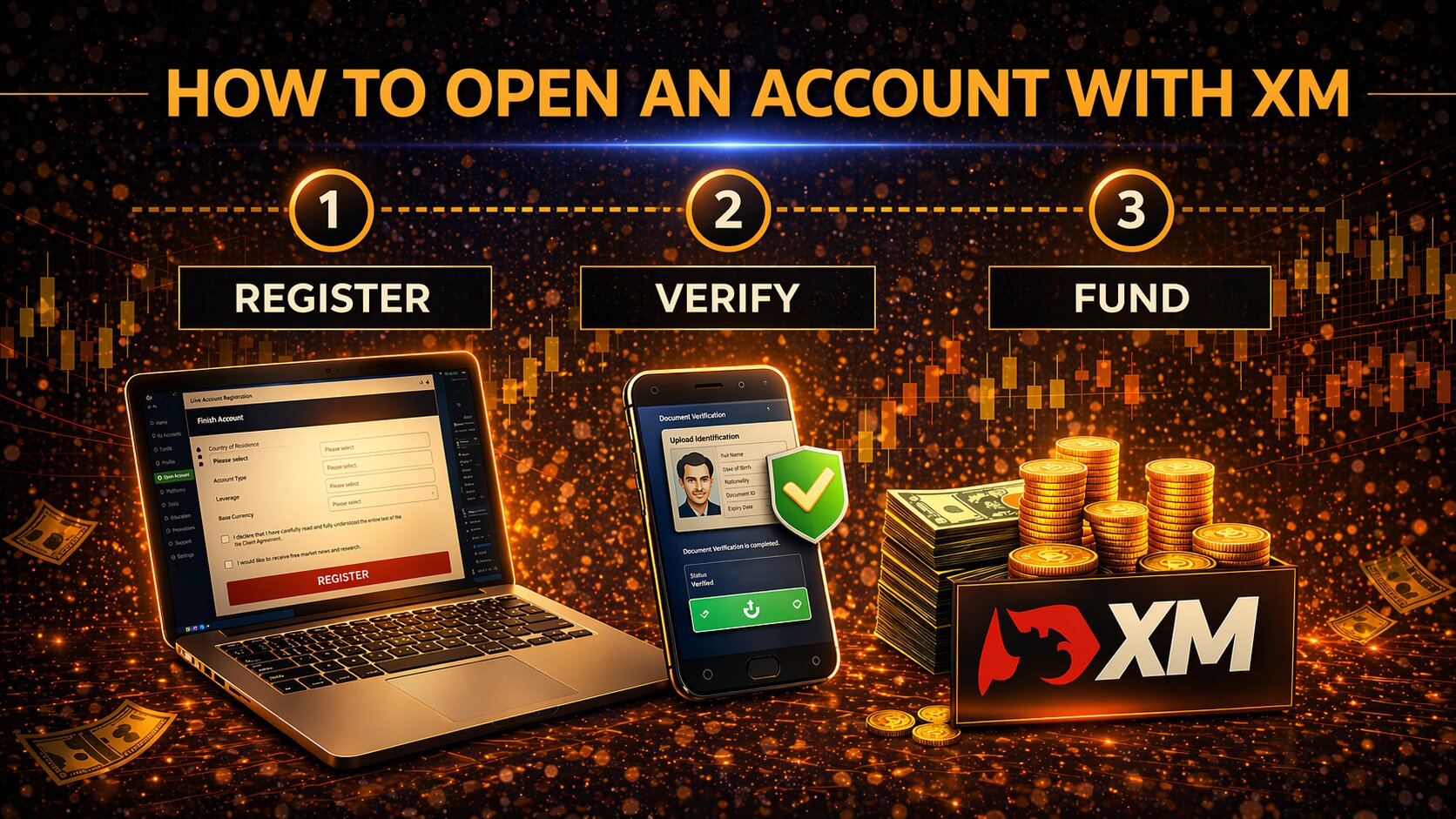
XM account options may vary depending on your country, the XM entity serving your region, and the platform you choose. During registration, you may see several account types designed for different trading needs, position sizes, and cost structures.
Micro Account
The Micro Account is designed for traders who want to use smaller position sizes. This can be useful for beginners because it allows them to trade with lower exposure while learning how the platform works.
This account may also suit users who want to test trading strategies with smaller trade sizes before moving to a larger account structure.
Standard Account
The Standard Account uses a traditional lot structure and is one of the common choices for retail traders.
It may suit users who already understand basic trading concepts and want a simple account type without a more complex pricing model.
XM Ultra Low Account
The XM Ultra Low Account is designed for traders who want lower spreads compared with standard pricing.
This account may be useful for traders who place trades more frequently or want to reduce spread-related costs. However, availability and conditions may vary depending on the user’s region.
Shares Account
The Shares Account is designed for traders who want access to stock trading conditions.
Its pricing, minimum requirements, and trading rules may differ from XM’s forex-style accounts. Users should check the details carefully before choosing this account type.
Islamic Account
XM may offer Islamic Accounts on request for traders who follow Islamic finance principles.
These accounts are usually structured as swap-free accounts, meaning they do not charge or pay overnight swap interest in the same way as standard accounts.
Demo Account
A Demo Account allows users to practice with virtual funds before trading with real money.
This can help beginners learn the platform, test order types, understand market movement, and build confidence without financial risk.
Trading Instruments
XM gives traders access to several markets from one account.
Available instruments include:
Forex pairs
Stocks
Indices
Commodities
Precious metals
Energies
This range allows traders to access different markets without using multiple platforms.
Deposits & Withdrawals
XM supports several funding methods, depending on the trader’s region.
Common options include:
Bank wire transfer
Credit and debit cards
E-wallets such as Skrill and Neteller
Key funding details include:
Minimum deposit from $5
No broker-side deposit fees, according to XM
Withdrawals are usually processed within 24 hours on the broker side
Third-party banking or transfer fees may still apply
Withdrawals are usually returned through the same method used for deposit. This is part of standard anti-money-laundering procedures.
Education & Research
Education is one of XM’s stronger areas.
The broker provides learning materials for beginners and developing traders.
XM’s educational resources include:
Daily market analysis
Educational articles
Video tutorials
Live webinars
Online and in-person seminars in some regions
These resources may help users who want more structured trading education.
User Feedback Overview
XM generally receives stable feedback across trading communities.
Common positive points include:
Strong regulation
Fast withdrawals
Responsive customer support
Reliable MT4 and MT5 performance
Common criticisms include:
Lower leverage under stricter regulation
No cTrader platform
Less flexibility than some offshore brokers
Overall, XM is usually seen as a more conservative and regulated broker, rather than a high-leverage offshore option.
Pros & Cons
Pros
Strong global regulation
Low minimum deposit
Wide range of instruments
Commission-free account options
Strong educational resources
Cons
Not available to US traders
No cTrader or proprietary platform
Lower leverage under stricter regulators
No true raw-spread ECN-style structure with fixed commission
Conclusion
XM is a long-established forex and CFD broker with a focus on regulation, education, and MetaTrader support. It may suit traders who value structure, platform stability, and clear trading conditions. However, it may not be ideal for traders looking for very high leverage, cTrader, or a raw-spread ECN-style commission model.
This review is for informational purposes only and is not investment advice. Trading involves risk, and users should consider their own experience, goals, and risk tolerance before trading.