Is Bybit Safe in 2026? Hack History, Proof of Reserves and Custody Risk
Introduction
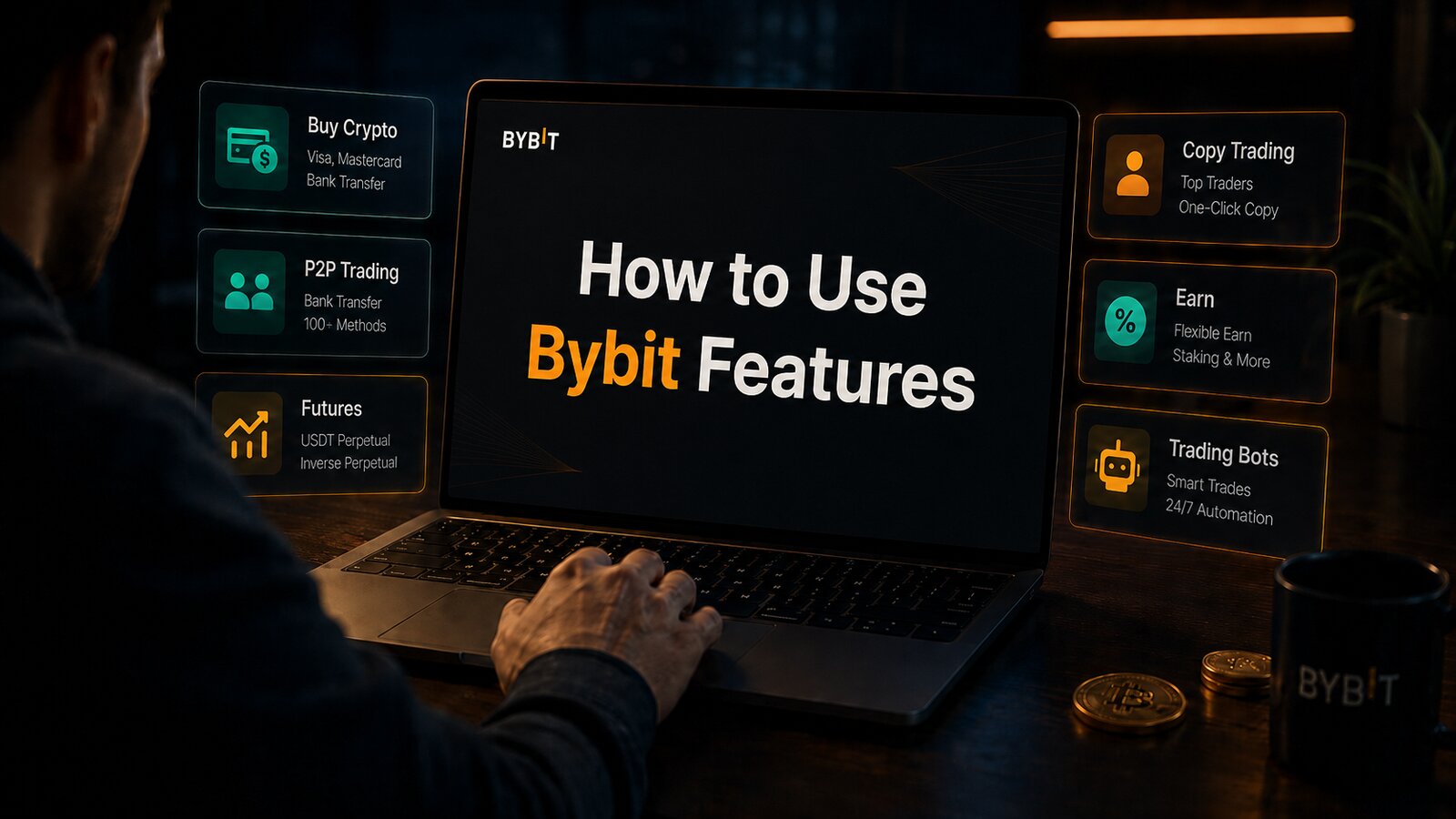
Bybit is a major centralized cryptocurrency exchange offering spot trading, futures, copy trading, P2P trading, Earn products, trading bots, and crypto buying services. For many users, the main question is not only whether Bybit has useful features. The bigger question is whether Bybit is safe to use in 2026.
The answer must be balanced. Bybit provides security tools, account protection features, and Proof of Reserves reporting. At the same time, it remains a centralized custodial exchange. That means users depend on Bybit to protect their assets, process withdrawals, manage internal balances, and comply with regulations.
This article reviews Bybit's safety in 2026, including Proof of Reserves, the 2025 hack, custody risk, restricted countries, and practical steps users can take to reduce risk.
Is Bybit Safe?
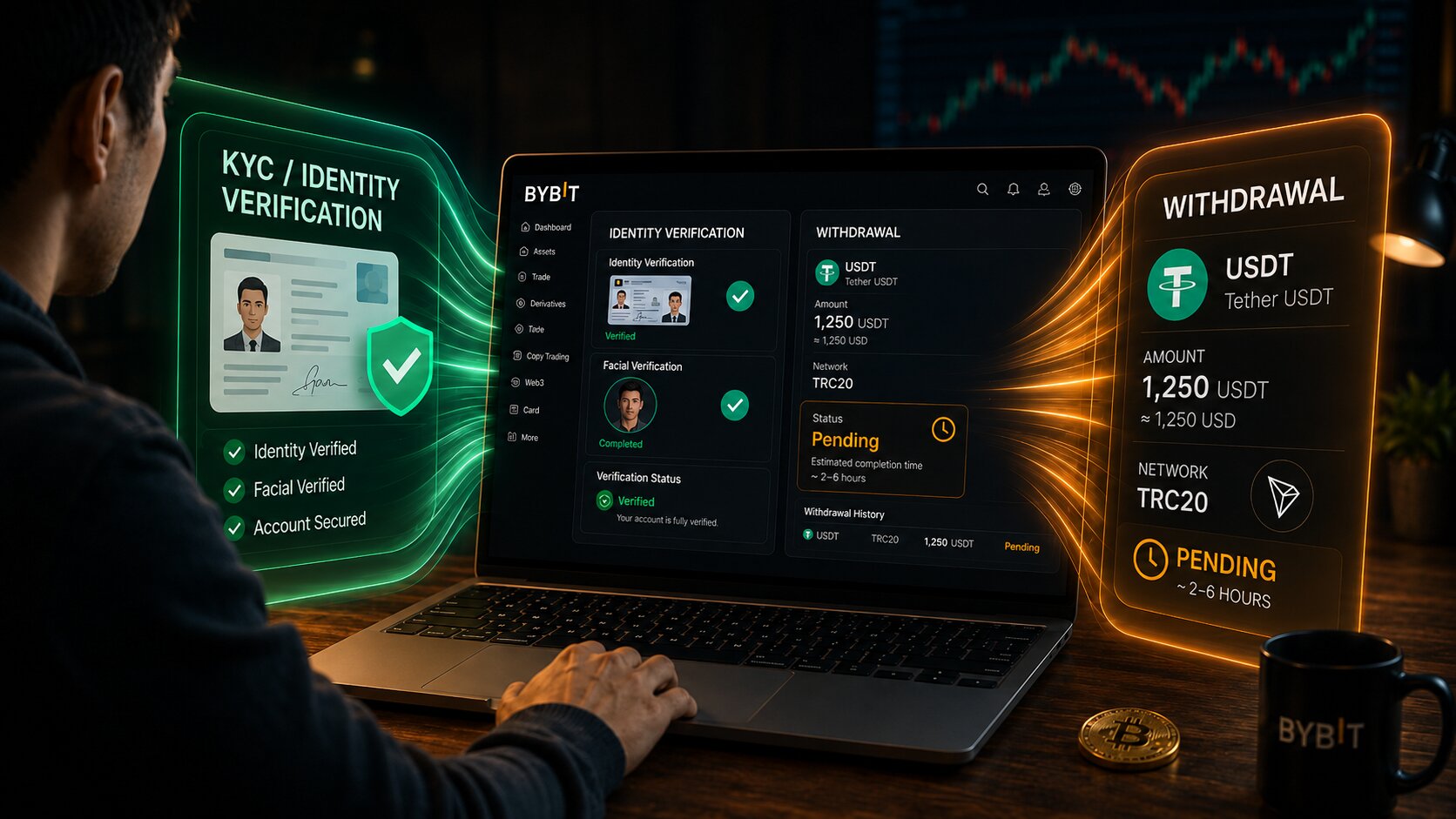
Bybit uses several security features, including identity verification, two-factor authentication, risk controls, withdrawal address protection, and Proof of Reserves reporting. These tools can reduce risk, but they do not remove every risk.
No centralized crypto exchange should be treated as completely risk-free. When users deposit funds into Bybit, they are no longer holding those funds in a personal wallet. They are relying on the exchange’s custody, technology, compliance process, and withdrawal system.
What Is Custody Risk?
Custody risk is the risk of relying on a third party to hold or manage assets. On a centralized exchange, users do not directly control the private keys for their exchange balances. The platform manages wallets, internal accounting, withdrawals, and security controls.
Custody risk can include:
· Exchange hacking incidents
· Internal control failures
· Compliance or AML reviews
· Regulatory restrictions
· Technical failures
· Account freezes
· Liquidity pressure during market stress
This does not mean every centralized exchange is unsafe. It means users should understand the trade-off: centralized exchanges offer convenience, liquidity, and features, but users give up direct custody while funds are held on the platform.
Bybit Proof of Reserves
Bybit publishes Proof of Reserves information to show that it holds assets backing user balances. Bybit describes its Proof of Reserve as validation that it holds customer assets stored on the Bybit platform and that supported user account tokens are held on a 1:1 ratio.
Proof of Reserves can improve transparency by giving users a way to verify whether an exchange reports the assets backing customer balances. It is especially important after major exchange failures in the crypto industry.
What Proof of Reserves Does Not Prove
Proof of Reserves is useful, but it should not be treated as a complete safety guarantee. It does not eliminate all operational, legal, or cybersecurity risks.
Proof of Reserves does not fully remove:
· Future hacking risk
· Wallet infrastructure risk
· Internal control risk
· Regulatory risk
· Account-level compliance reviews
· Withdrawal delays during market stress
· Risks from complex products
· Risks outside the scope of the reported assets
Users should treat Proof of Reserves as one part of a broader safety review, not as proof that an exchange is risk-free.
The 2025 Bybit Hack
The most important safety event in Bybit’s recent history was the February 2025 hack. The FBI stated that North Korea was responsible for the theft of approximately $1.5 billion in virtual assets from Bybit on or around February 21, 2025. The FBI referred to this activity as TraderTraitor.
Bybit’s own security incident timeline says the incident affected one Ethereum cold wallet and resulted in almost $1.5 billion in losses. Bybit stated that client assets remained backed 1:1 and that the company was solvent, but the incident still created major reputational pressure and showed the scale of risk large crypto exchanges can face.
What the Hack Means for Users
The 2025 hack does not lead to a simple conclusion like “Bybit is safe” or “Bybit is unsafe.” The better lesson is that even large crypto exchanges can face serious security incidents.
Users should treat centralized exchanges as trading platforms, not long-term storage solutions for large balances. Even if an exchange continues operating after a security event, users can still face uncertainty, withdrawal pressure, market stress, and reputational concerns.
Account Security Tools Users Should Enable
Many exchange-related losses happen because user accounts are compromised through phishing, weak passwords, fake support, malware, or compromised email accounts. Users should secure both the exchange account and the email account connected to it.
· Use a strong, unique password.
· Enable two-factor authentication.
· Enable anti-phishing code where available.
· Use the withdrawal address whitelist if appropriate.
· Monitor active sessions and devices.
· Avoid public Wi-Fi for account access.
· Never share verification codes.
· Do not trust fake support accounts on social media.
· Check website URLs before logging in.
· Keep the email account secured with 2FA.
Regional and Compliance Risk
Safety is not only about hacking. It is also about whether the user is legally and practically eligible to use the platform. Bybit does not offer services in all jurisdictions. Its restricted countries page lists several excluded jurisdictions and warns that false representation of location or residence can lead to actions such as account termination or liquidation of open positions.
Users should not use VPNs, false location information, or fake documents to bypass restrictions. This can create serious problems when withdrawing funds or completing KYC.
Is Bybit Safe for Long-Term Storage?
Bybit may be useful for active trading, but long-term storage is a different issue. For long-term holding, many users prefer personal wallets because they control the private keys.
A personal wallet also creates responsibility. If the user loses the seed phrase or signs a malicious transaction, the exchange cannot recover the funds. The choice is not “exchange safe, wallet unsafe” or the opposite. It is a trade-off between convenience and control.
Safer Ways to Use Bybit
1. Use Bybit mainly for active trading or specific exchange features.
2. Keep only necessary trading funds on the exchange.
3. Move long-term holdings to a personal wallet when appropriate.
4. Complete KYC before depositing large amounts.
5. Test withdrawals before relying on the platform.
6. Enable account security tools.
7. Avoid high leverage unless fully understood.
8. Check restricted country rules before registering.
9. Keep clear records of account activity and withdrawals.
10. Do not rely on Proof of Reserves alone as a safety guarantee.
Conclusion
Bybit has security tools, Proof of Reserves reporting, and a large role in the crypto exchange market. But it is still a centralized custodial exchange, and the 2025 hack showed that even major platforms can face serious security incidents.
The safest conclusion is balanced: Bybit may be useful for users who understand its risks, complete verification, enable security tools, and avoid storing large long-term balances on the exchange. It should be treated as a trading platform, not as a risk-free crypto bank.
This article is for informational and educational purposes only. It is not financial, investment, legal, cybersecurity, or tax advice.